






Credit card combo optimizer
Pick a spending profile or set your own, choose two or three cards and a fee budget, and we test combinations of Canadian credit cards to find the wallet that earns the most at your spending, with the card to use for each category.
Free · No sign-up · Updated October 2026
02 · Fine-tune monthly spending $2,000/mo
Your top 2 card wallet
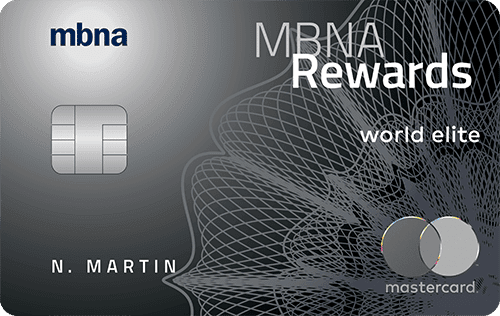
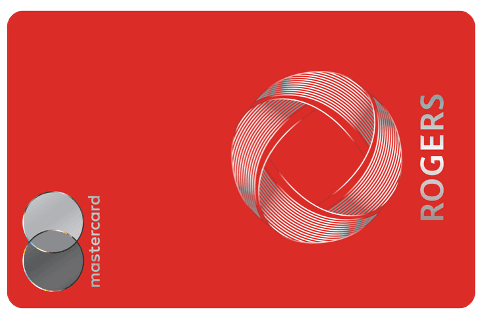
$52 a year more than the single card that earns the most at your spending, MBNA Rewards World Elite Mastercard ($667 net).
Which card for what
| Category | Use | Earns a year |
|---|---|---|
| Groceries$430/mo | MBNA Rewards World Elite Mastercard5x | $258 |
| Dining$350/mo | MBNA Rewards World Elite Mastercard5x | $210 |
| Recurring bills$200/mo | MBNA Rewards World Elite Mastercard5x | $120 |
| Gas & EV charging$180/mo | Rogers Red World Elite Mastercard1.5% | $32 |
| Transit & rideshare$100/mo | Rogers Red World Elite Mastercard1.5% | $18 |
| Entertainment & streaming$160/mo | MBNA Rewards World Elite Mastercard5x | $96 |
| Travel$100/mo | Rogers Red World Elite Mastercard1.5% | $18 |
| Pharmacy$50/mo | Rogers Red World Elite Mastercard1.5% | $9 |
| Everything else$430/mo | Rogers Red World Elite Mastercard1.5% | $77 |
Runners-up
- $709−$10 vs top
- $701−$18 vs top
How this calculator works
Each card’s earnings by category
We work out what every personal rewards card in our data would earn on your spending in each category, using the same earn rates, caps and point values as our rewards calculator. Points and miles are turned into dollars at the value we list for each program; some of those values are our estimates, since what a point is worth depends on how you redeem it.
As in the rewards calculator, a spending cap is applied to each category separately, and foreign currency purchases have the card’s foreign transaction fee taken off. Conditional rates (such as those for Rogers or Wealthsimple clients) count at the standard rate.
Testing the combinations
In a wallet, each category goes on whichever card earns the most there. We add those amounts up and subtract every card’s annual fee to get the wallet’s net yearly rewards.
To keep it instant, we only test cards that rank among the eight strongest (or the four strongest with no annual fee) in at least one category you spend in, or among the ten strongest overall. Cards outside those lists rarely matter, because each category only ever uses the strongest card in the wallet. Wallets whose combined annual fees are above your budget are skipped.
What it leaves out
Welcome offers aren’t counted, since they apply once; see the welcome bonus planner for those. Neither are perks, insurance or interest, so pay every balance in full for these figures to hold.
Issuers decide how each merchant is categorized, and earn rates and fees change. Check each card’s current terms before you apply.
Frequently Asked Questions
How many credit cards should I have in Canada?
There’s no set number. Many people do well with one card they always pay in full. A second or third card can add rewards when each one covers categories the others earn little on, which is what this tool measures. Each extra card is another application, another annual fee and another bill to track, so only add one when the extra rewards clearly cover those costs.
Is it good to have multiple credit cards?
It can be. Two cards with different strengths, say one that earns more on groceries and dining and one that earns more on everything else, can beat any single card. It works only if you use the right card each time and pay every balance in full, since interest at typical purchase rates wipes out rewards quickly.
How many credit cards is too many?
It’s too many when you can’t keep track of due dates, when annual fees outweigh what the cards earn, or when new applications start to weigh on your credit. If the third card in the optimizer adds only a few dollars a year, that’s a sign two cards are enough for your spending.
Does applying for several credit cards hurt my credit score?
An application usually triggers a hard inquiry, which can lower your score slightly for a while. Several applications close together can have a bigger effect, so space them out and apply only for cards you’ll keep. Opening new cards also lowers the average age of your accounts.
What is the best credit card combo in Canada?
It depends on where your money goes. A household that spends heavily on groceries needs a different pair than someone who commutes by car or travels often. Pick a spending profile or enter your own numbers above and the optimizer shows the combination that earns the most at your spending, within your fee budget.
Should I pair an American Express card with a Visa or Mastercard?
Many people do, because American Express isn’t accepted everywhere in Canada. A Visa or Mastercard in the same wallet covers the places that don’t take Amex. If you’d rather not carry Amex at all, tick “Leave out American Express cards” and the optimizer only uses Visa and Mastercard cards.
How do I know which card to use for each purchase?
Use the “Which card for what” table: for each spending category it names the card in your wallet that earns the most there, its earn rate and what it earns in a year. Some people keep a note in their phone or label the cards. Remember that the issuer decides how each store is categorized, so a purchase may not earn the rate you expect.
Is a card with an annual fee worth it in a two-card setup?
Only if the extra rewards it brings to the wallet are more than its fee. The optimizer counts every card’s annual fee against the total, and the fee budget lets you cap what you pay across all cards. Set the budget to $0 to see the strongest no-fee combination.
Should I cancel a credit card I no longer use?
If it charges an annual fee you can’t justify, cancelling or asking the issuer to switch you to a no-fee card may make sense. Closing a card can reduce your available credit and, if it’s an old account, the average age of your accounts, which can affect your score. Redeem or transfer any points first, since they can be lost when the account closes.
Results are estimates for general information, not financial advice. Confirm rates, fees and terms with your card issuer or bank. See our methodology.