





The Periodic Table of Credit Cards
Every Canadian credit card we track, laid out as elements in one table and grouped into families by type. Hover or tap any element for its vitals, and use the filters to highlight the cards that fit.
Free · No sign-up · Updated October 2026
Showing every card.
Cash back
No annual fee
Low interest
Building credit
Travel & points
Premium
Store & co-brand
Business
Browse every element as a list
Cash back
- CaDesjardins Cash Back World Elite Mastercard
- CbBMO CashBack World Elite Mastercard
- SiSimplyCash Preferred Card from American Express
- SmScotia Momentum Visa Infinite + Card
- DiCIBC Dividend Visa Infinite Card
- CmMeridian Visa Infinite Cash Back Card
- DcCIBC Dividend Platinum Visa Card
- CsSimplii Financial Cash Back Visa Card
- CtTD Cash Back Visa Infinite Card
- SpSimplyCash Card from American Express
- StScotia Momentum Visa card
- NeNeo World Mastercard
- MoTangerine Money-Back Credit Card
- ChBMO CashBack Mastercard
- CrRBC Cash Back Preferred World Elite Mastercard
- CdDesjardins Cash Back Mastercard
- DvCIBC Dividend Visa Card
- PrHome Trust Preferred Visa
- NwNeo World Elite Mastercard
- WlWealthsimple Credit Card
- SnScotia Momentum No-Fee Visa Card
- CeRBC Cash Back Mastercard
- CfTD Cash Back Visa Card
- MtTangerine Money-Back World Mastercard
No annual fee
Low interest
Building credit
Travel & points
- MbMBNA Rewards World Elite Mastercard
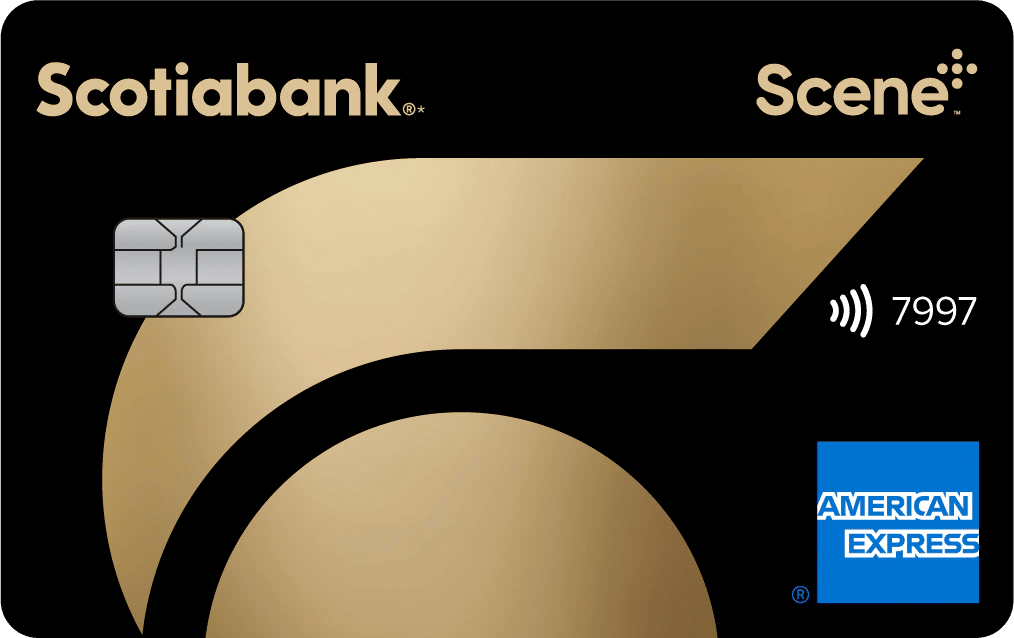
- ScScotiabank Gold American Express Card
- IoRBC ION+ Visa
- NaNational Bank World Elite Mastercard
- CoAmerican Express Cobalt Card
- OwDesjardins Odyssey World Elite Mastercard
- AeAmerican Express Aeroplan Card
- FiTD First Class Travel Visa Infinite
- TtTD Platinum Travel Visa Card
- AcCIBC Aeroplan Visa Card
- AiCIBC Aeroplan Visa Infinite
- AtTD Aeroplan Visa Infinite
- WeWestJet RBC World Elite Mastercard
- TmMeridian Visa Infinite Travel Rewards Card
- WrWestJet RBC Mastercard
- TdTD Rewards Visa Card
- AdCIBC Adapta Mastercard
- LaLaurentian Bank Visa Infinite Card
- MiAmerican Express Marriott Bonvoy Card
- PaScotiabank Passport Visa Infinite + Card
- OgDesjardins Odyssey Gold Visa
- AvCIBC Aventura Visa Card
- AwBMO Ascend World Elite Mastercard
- EbBMO eclipse Visa Infinite Card
- AgCIBC Aventura Gold Visa Card
- ApTD Aeroplan Visa Platinum Card
- BrBrim World Elite Mastercard
- AfAir France KLM World Elite Mastercard
- ViBMO VIPorter World Elite Mastercard
- ArCIBC Aventura Visa Infinite
- AaRBC Avion Visa Infinite
- UnUnited MileagePlus Neo World Elite Mastercard
- AlRBC Avion Visa Platinum
- GoAmerican Express Gold Rewards Card
- BaRBC British Airways Visa Infinite
- BlBMO Blue Rewards Mastercard
- VbBMO VIPorter Mastercard
- CwCathay World Elite Mastercard – Powered by Neo
- BbBMO Blue Rewards World Elite Mastercard
- BwBrim World Mastercard
Premium
- SaScotiabank Platinum American Express Card
- EiBMO eclipse Visa Infinite Privilege Card
- AjCIBC Aventura Visa Infinite Privilege Card
- AkRBC Avion Visa Infinite Privilege
- AmAmerican Express Aeroplan Reserve Card
- AqCIBC Aeroplan Visa Infinite Privilege Card
- AxTD Aeroplan Visa Infinite Privilege
- PsScotiabank Passport Visa Infinite Privilege Card
- PlAmerican Express Platinum Card
Store & co-brand
Business
- WwWestJet RBC World Elite Mastercard for Business
- MaMarriott Bonvoy Business American Express Card
- AbCIBC Aeroplan Visa Business Card
- CkBMO CashBack Business Mastercard
- AsBMO Ascend World Elite Business Mastercard
- AuCIBC Aventura Visa Card for Business
- AoRBC Avion Visa Infinite Business
- AhRBC Avion Visa Business
- BuAmerican Express Business Gold Rewards Card
- AyAmerican Express Aeroplan Business Reserve Card
- BpBusiness Platinum Card from American Express
How this calculator works
Families
Each card sits in one family, checked in this order: business (the card is sold to businesses), building credit (secured, student and guaranteed approval cards), premium (an annual fee of $399 or more), low interest (a purchase rate of 15% or less), store and co-brand (cards tied to Costco, PC Optimum, Canadian Tire, Walmart or Rogers), travel and points, cash back, and finally no annual fee for points cards that are free and in none of the families above.
These rules match the categories on our credit card pages, so a card’s family moves with its data. Points cards with a fee that don’t meet our travel test sit with travel and points, since they earn points all the same.
Numbers and symbols
The atomic number ranks every card by estimated net rewards at our typical spending of about $2,000 a month: the yearly rewards from the card’s earn rates, caps and point values, minus the annual fee. Number 1 earns the most at that spending. Your own spending will change the order, which our rewards calculator can show.
Symbols are made from the most distinctive word in each card’s name, and adjusted where two cards would share one. The figure in the corner is the annual fee.
Filters highlight, not hide
Filters dim the cards that don’t match, like a highlighter on a lab sheet, so you can still see where the rest sit. Switch to “Hide the rest” to remove them instead.
Fees, earn rates and offers come from our card data and change often. Confirm the details with the issuer before you apply.
Frequently Asked Questions
What are the different types of credit cards in Canada?
The table groups them into eight families: cash back, travel and points, no annual fee, low interest, premium, building credit (secured, student and guaranteed approval), business, and store or co-brand cards. Many cards fit more than one description, so each sits in the family that describes it most specifically, as set out in the method above.
What’s the difference between cash back and travel points cards?
Cash back cards return a percentage of your spending as money, so a dollar back is a dollar back. Points and miles cards pay in a loyalty currency whose value depends on how you redeem it, often more for flights and hotels. Points cards also tend to carry travel insurance and perks, and higher annual fees.
What is a premium credit card?
In our data, a premium card is one with an annual fee of $399 or more. Those fees usually buy richer perks such as airport lounge access, travel credits and broader insurance. They’re worth it only if you use enough of those perks to outweigh the fee.
What is a low interest credit card?
A card whose purchase interest rate is well below the roughly 20% to 22% that most rewards cards charge. The table counts cards at 15% or less as low interest. If you sometimes carry a balance, the lower rate can save more than rewards would earn.
What is a secured credit card?
A card backed by a deposit that usually becomes your credit limit. It works like a regular credit card, and paying on time helps build your credit history, which is why secured, student and guaranteed approval cards sit together in the building credit family.
What’s the difference between Visa, Mastercard and American Express?
They’re payment networks. Your rewards, fees and interest come from the bank that issues the card, not the network. Visa and Mastercard are accepted at more Canadian merchants than American Express, and Costco’s Canadian warehouses accept only Mastercard as a credit card. Use the network filter to highlight each one.
Which credit cards have no foreign transaction fee?
Most Canadian cards add a 2.5% fee on purchases in a foreign currency. Turn on the “No FX fee” filter to light up the cards in our data that don’t charge one.
How many credit cards should I have?
There’s no set number. Many people do well with one card for everyday spending and a backup on a different network, such as a Visa or Mastercard alongside an American Express. More cards can mean more annual fees and more to keep track of, and each application usually adds a hard inquiry to your credit file.
What do the numbers on each element mean?
The atomic number is the card’s rank by estimated net rewards at our typical spending of about $2,000 a month: number 1 earns the most after its annual fee. The top-right figure is the annual fee, and the two letters are a symbol made from the card’s name.
Results are estimates for general information, not financial advice. Confirm rates, fees and terms with your card issuer or bank. See our methodology.